
Adolescent life skills courses in Kenya help educators, community workers, youth mentors and other eligible learners support young people as they develop communication, decision-making, emotional awareness and practical safety skills. Related programmes may cover adolescent health, respectful relationships, HIV prevention, safeguarding and digital literacy. The original combined course title “Life Skills, Health Issues for Adolescent and ICT” should not be mistaken for a universally recognised standalone diploma: its components can be taught through distinct training programmes and organisations.
What adolescent life skills courses in Kenya teach
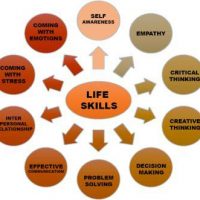
Life skills education can help young people understand themselves, communicate clearly, manage disagreements, make informed decisions and seek appropriate support. Common themes include critical thinking, stress management, peer relationships, self-awareness, empathy, problem-solving and resilience. A well-designed course uses age-appropriate activities and avoids treating every adolescent as having the same circumstances or needs.
Learning may include role-play, guided reflection, group discussion, scenario analysis and practising how to ask for help. It should not replace specialist mental health services, clinical care or safeguarding systems when a young person needs additional support.
Adolescent life skills courses in Kenya: LVCT Training Institute
LVCT Life Skills Training short course
LVCT Training Institute publishes a Life Skills Training short course. It is a directly relevant, named learning opportunity for people interested in life skills and adolescent-focused support. Applicants should verify the current curriculum, intended trainees, admission requirements, course duration, delivery mode, fee and completion document with LVCT.
The institution is associated with LVCT Health’s wider work in HIV prevention and health services. However, the short-course listing does not establish that it issues a current Diploma in Life Skills, Health Issues for Adolescents and ICT. That combined title appeared in older training directories, and a present-day qualification under precisely the same name has not been independently confirmed.
LVCT Health: adolescent and youth programmes
LVCT Health’s adolescent and young people programme describes age-appropriate health information and support for young people aged approximately 10–24. The programme uses community and digital communication channels to share information on youth wellbeing, sexual and reproductive health and HIV prevention.
Such service programmes show how life skills and health education are applied in practice. They do not automatically mean every participant or volunteer receives an accredited college diploma. People seeking a formal qualification should distinguish practical community programmes, professional workshops and academically assessed courses.
Clarifying the Marist International University College listing
An earlier educational listing linked the combined life skills, adolescent health and ICT course with Marist International University College. Its current official institutional information should be used to determine what courses are currently offered. A presently open qualification with the exact historical combined title has not been independently confirmed.
Applicants should request a current prospectus specifying the course code, academic level, awarding body, training content and intake. Older fee deposits, bank account instructions, application forms and office addresses should not be used without fresh verification directly from the institution.
Adolescent health education and age-appropriate support
Training in adolescent health may address healthy habits, nutrition, sleep, safe relationships, mental wellbeing, avoiding violence, prevention and access to qualified healthcare. Educators and youth workers should provide accurate, non-stigmatising information suitable for participants’ age and development, and recognise when concerns need professional medical or safeguarding referral.
Health topics should be taught with regard to relevant policies, participant dignity, privacy and informed participation. A short course does not authorise the trainee to diagnose illnesses, prescribe medication, conduct regulated testing or provide independent professional psychological counselling.
UNFPA guidance on young people’s wellbeing
UNFPA Kenya’s September 2026 programme information describes the development of age-appropriate learning resources for adolescents, caregivers and community actors. It draws on international guidance for youth education, including safeguards concerning gender-based violence, exploitation and harassment.
The relevance for course selection is that good youth programmes must consider learners’ safety, access to trusted services and practical skills for protecting their wellbeing. Trainers should use established educational resources, avoid unsafe disclosure exercises and plan how to respond when a student reports harm.
Communication, decision-making and emotional awareness
Useful activities include practising respectful disagreement, identifying trustworthy information, comparing possible responses to peer pressure and learning when to seek adult or professional help. Participants might work through realistic fictional scenarios and reflect on the consequences of different decisions.
Life skills are developed through repetition and feedback. A short workshop can introduce concepts, but it cannot guarantee that every participant will always make healthy decisions. Supportive family, school and community environments remain important.
ICT and digital literacy for adolescents
The ICT element of a combined course may introduce basic computer skills, safe internet use, evaluating online information, privacy settings, responsible communication and recognising online exploitation or harassment. Youth workers can learn how to communicate reliable health information through appropriate digital channels.
Students should understand that online claims about health, identity, relationships or employment may be inaccurate or manipulative. Digital skills teaching can include checking sources, protecting passwords, avoiding unnecessary sharing of personal details and reporting harmful conduct through trusted channels.
Safeguarding, confidentiality and referrals
Youth-focused learning must not pressure students to disclose personal or traumatic experiences in public. Trainers should explain privacy and the limits of confidentiality where safeguarding duties apply. Organisations should have clear procedures for seeking help from qualified health, mental health, child-protection or other professionals when needed.
A youth mentor’s role is often to listen, provide reliable information and connect someone to appropriate support. Medical care, formal counselling and legal interventions are separate professional responsibilities.
Choosing between a short course and a diploma
A short skills workshop can suit an existing teacher, community worker, parent educator or volunteer. A formal diploma provides a longer assessed curriculum, with specified institutional approval and entry requirements. Applicants should ask whether the course gives an attendance record, an assessed competency certificate or a recognised academic award.
For any advertised vocational diploma, check the provider’s current registration and the specific qualification in the TVET Authority register. A programme title combining adolescent health and ICT is not proof that the institution is authorised to deliver clinical healthcare training.
Entry requirements, duration, fees and enrolment
Short courses may accept people already working in education or youth programmes, while academic awards have distinct entry standards. Obtain the current official syllabus, eligibility, delivery location or online arrangements, time commitment and assessed outcomes. Ask whether the provider supplies learning materials and supervised practical opportunities.
Fees vary widely. Do not use a course price or application deadline from an old directory. Pay only after confirming the provider’s present registration and official payment channels.
Career and community applications
Life skills training can strengthen work in schools, youth programmes, community health promotion, mentoring, digital education and nonprofit outreach. Specialist teaching, clinical counselling, social work or healthcare roles can require further recognised qualifications and registration. Completion of one short course does not guarantee employment or professional authority.
Frequently asked questions
Does LVCT offer a life skills course?
Yes. LVCT Training Institute publishes a Life Skills Training short course.
Is the old combined adolescent health and ICT diploma confirmed as available?
A current intake under precisely that combined historical title has not been independently verified.
Can a life skills course qualify me to provide medical care?
No. Medical and other regulated professional services require appropriate training and authorisation.
